
Swimming and neoprene suits
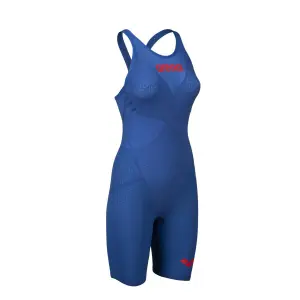
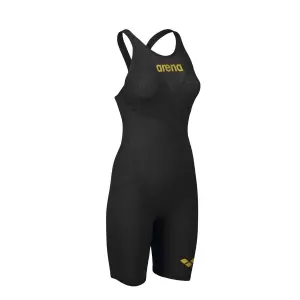
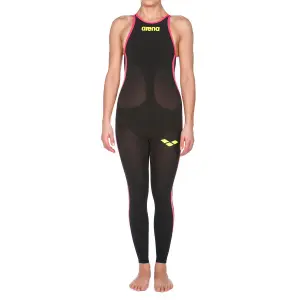
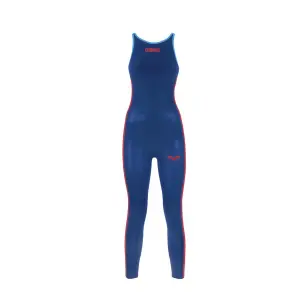
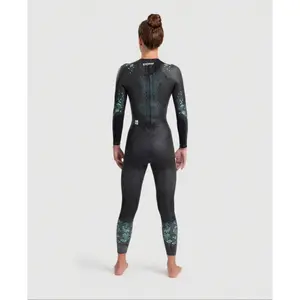
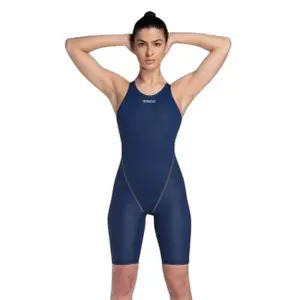
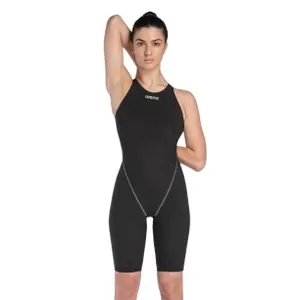
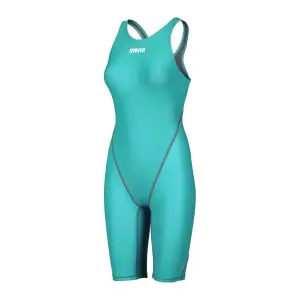
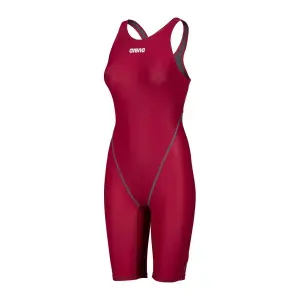
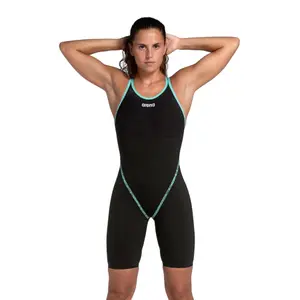
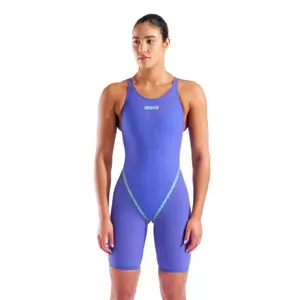
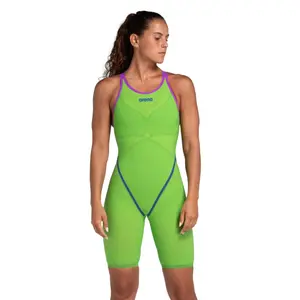
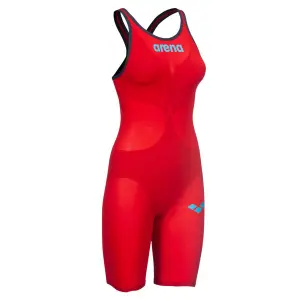
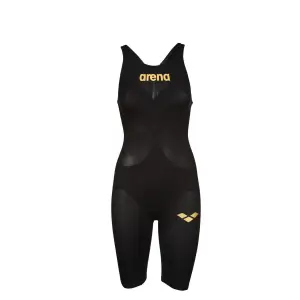
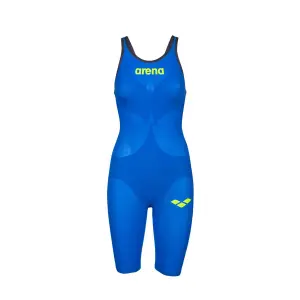
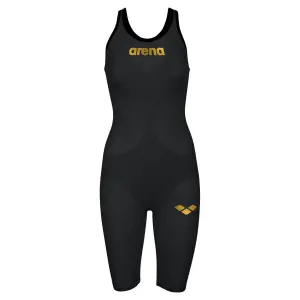
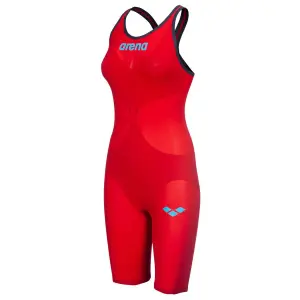
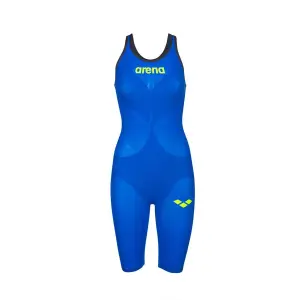
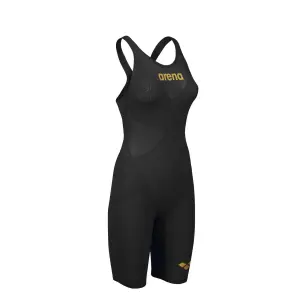
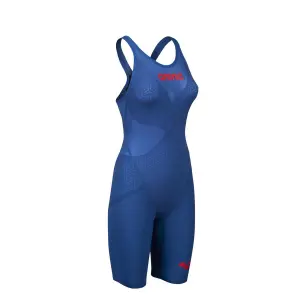
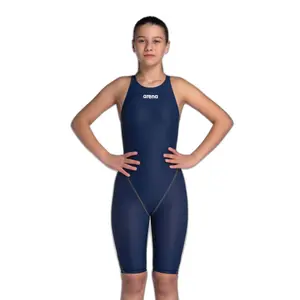
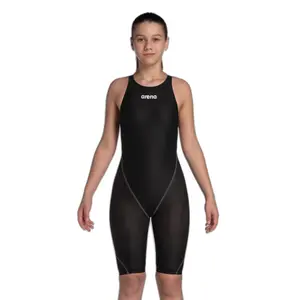
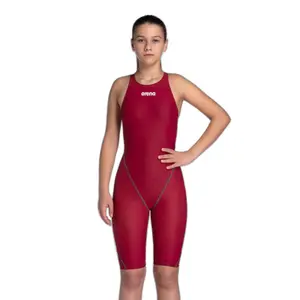
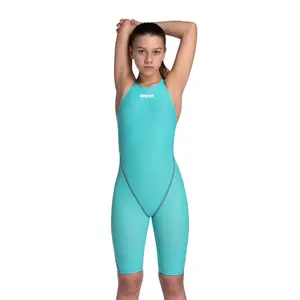
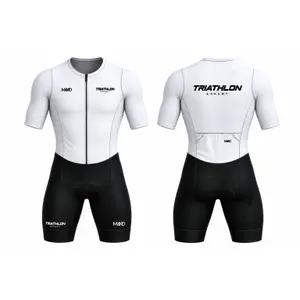
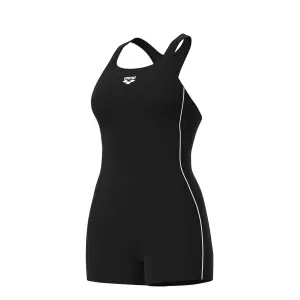
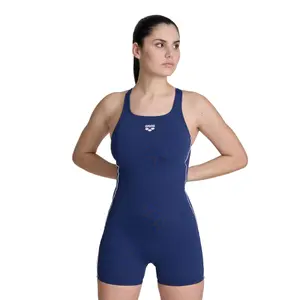
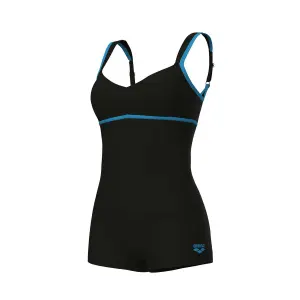
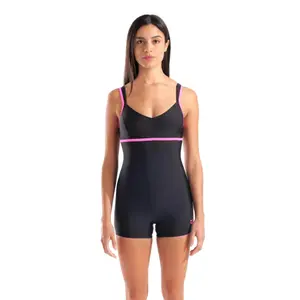
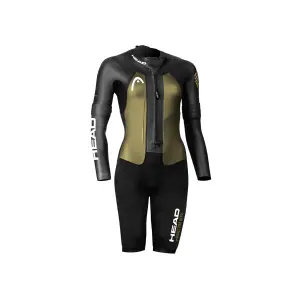
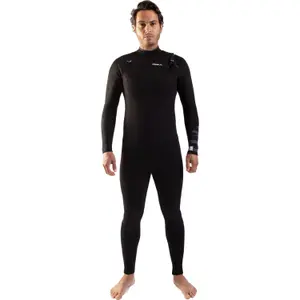
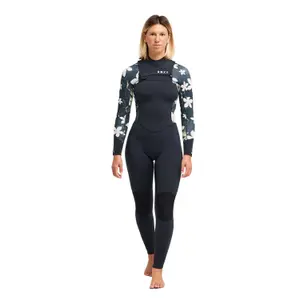
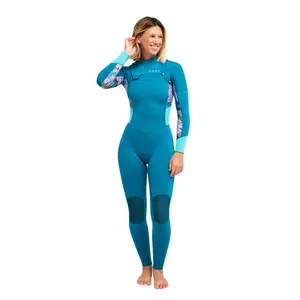
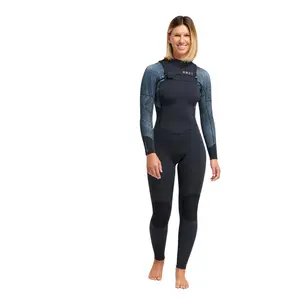
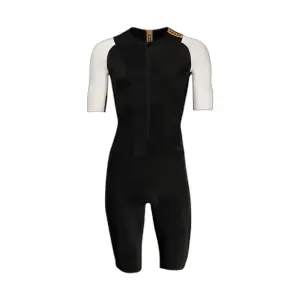
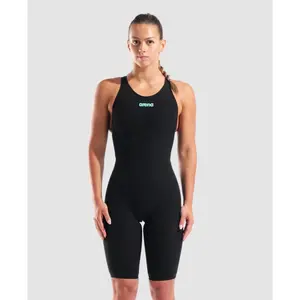
Water in a mountain lake stays cool even in the height of summer: without protection, swimming can be short-lived. These suits cover open water swimming, triathlon, and surfing, from full wetsuits to tri suits and shorties for warmer waters.
What combination to wear for open water swimming?
To swim for a long time in fresh water, a full-length wetsuit with long sleeves provides the best insulation and helps you float. It should allow your shoulders to move freely for freestyle swimming. For a triathlon in warmer water, a trisuit is enough. The shorty, with short sleeves and legs, is suitable for swimming and water activities in temperate water.
Swimming or surfing wetsuit?
This page covers both. A swimming wetsuit is designed for arm movement and gliding through the water. A surfing wetsuit offers more protection from the cold and impacts, but it's less comfortable for freestyle. Choose based on your main activity: swimming, triathlon, surfing, or paddle.
How to put it on and take care of it
Put on the wetsuit gently, working the neoprene up in small sections, without pulling with your nails. It should fit snugly against your body without cutting off your breathing. After use, rinse it in fresh water, dry it in the shade on a wide hanger, and store it without folding it tightly.
Wetsuit brands
Billabong, O'Neill, Soöruz, Quiksilver, and Roxy offer surfing wetsuits, both full-length and shorty. Arena focuses on swimming, with racing suits for the pool and models for open water.
The rest of your swimming gear
Complete your outfit with goggles, a visible swim cap, fins, or a swimsuit to wear underneath. The swimming sales and the aquatic Black Friday selection also offer wetsuits at discounted prices.
Swimming in mountain lakes
High-altitude lakes provide stunning settings, but the water remains cold even in the height of summer. A full wetsuit, a silicone cap, and even a second cap underneath can help delay the feeling of cold. Enter the water slowly, wet your neck and face, and start with a few breast strokes before switching to freestyle. Stay close to the shore, swim with a buddy, and bring warm clothes for after you get out. A visible swimming buoy signals your presence to other lake users.
To improve, try out your wetsuit in a pool or lake before race day to get used to the feeling of neoprene.
Frequently asked questions
How can I tell if a wetsuit fits me?
It should be snug without restricting your breathing, without pockets of air at the back or under the arms. Raise your arms: your shoulders shouldn't feel strained.
Can you swim freestyle in a surfing wetsuit?
Yes, but it is stiffer around the shoulders. For regular swimming, a swimming or triathlon wetsuit is more comfortable.
Trisuit or neoprene wetsuit for a triathlon?
The trisuit can be worn from start to finish. In cold water, you can layer a neoprene wetsuit on top for swimming.
When should I switch to a full wetsuit instead of a shorty?
As soon as the water feels cold or if you're staying in for a long time. The shorty is suitable for temperate waters and short outings.
How to quickly take off a wetsuit?
Open the zipper while standing, pull the top down to your waist, then remove the legs by turning them inside out. A bit of lubricant at the ankles helps.